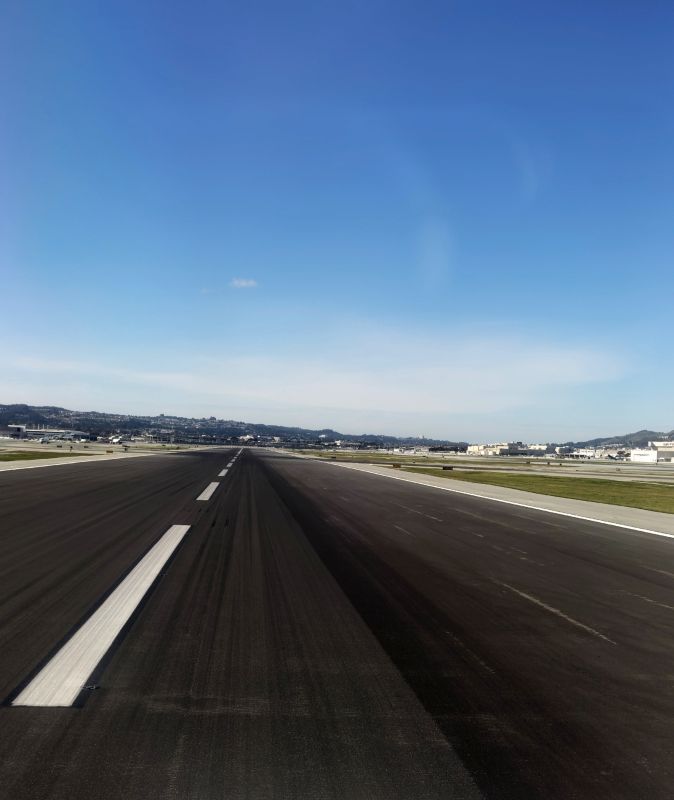
Airport Paving in Little Rock, AR
Airport paving services involve the installation, repair, and maintenance of paved surfaces used for airport runways, taxiways, and aprons. These projects typically require durable, high-quality asphalt or concrete surfaces designed to withstand heavy aircraft traffic and harsh weather conditions. Property owners planning airport expansion or upgrades often seek guidance on surface longevity, proper drainage, and the best materials to ensure safety and operational efficiency for aircraft movements.
Before requesting airport paving services, property owners should consider the size and scope of the project, including the specific areas needing paving and any existing infrastructure that may influence the work. It is also helpful to understand local regulations and standards for airport surfaces, as well as any necessary permits or approvals. Clear communication about the intended use of the paved area and future maintenance plans can support a smooth process and long-lasting results.
Many property owners in Little Rock, AR look into Airport Paving for repairs, replacements, upgrades, and appearance-related improvements.

Commercial Airport Pavements
Durable surfaces designed to handle frequent aircraft and vehicle traffic.
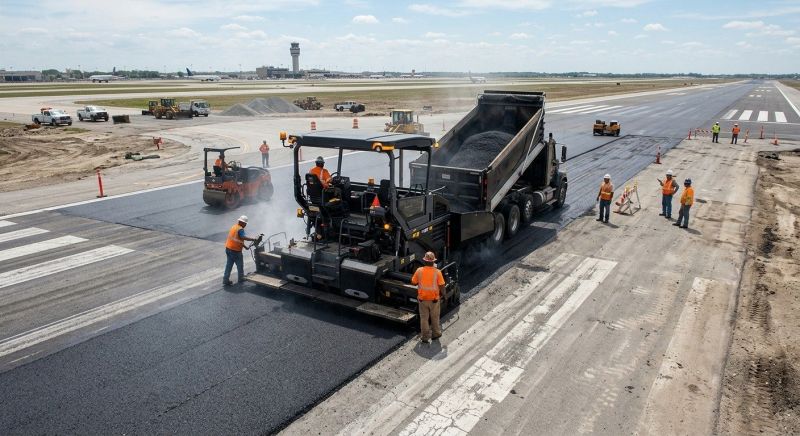
Residential Driveway Paving
Enhance curb appeal and accessibility with professionally paved driveways in little rock.
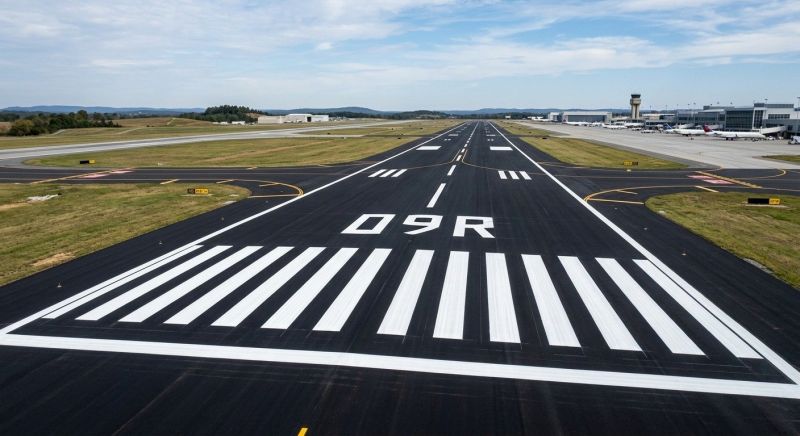
Airport Runway Maintenance
Regular paving and repair services to ensure safety and compliance for air travel facilities.
Airport Paving in Little Rock, AR

Airport paving services involve the installation, repair, and maintenance of paved surfaces used for airport runways, taxiways, and aprons. These projects typically require durable, high-quality asphalt or concrete surfaces designed to withstand heavy aircraft traffic and harsh weather conditions. Property owners planning airport expansion or upgrades often seek guidance on surface longevity, proper drainage, and the best materials to ensure safety and operational efficiency for aircraft movements.
Before requesting airport paving services, property owners should consider the size and scope of the project, including the specific areas needing paving and any existing infrastructure that may influence the work. It is also helpful to understand local regulations and standards for airport surfaces, as well as any necessary permits or approvals. Clear communication about the intended use of the paved area and future maintenance plans can support a smooth process and long-lasting results.
Many property owners in Little Rock, AR look into Airport Paving for repairs, replacements, upgrades, and appearance-related improvements.
Common Airport Paving Jobs
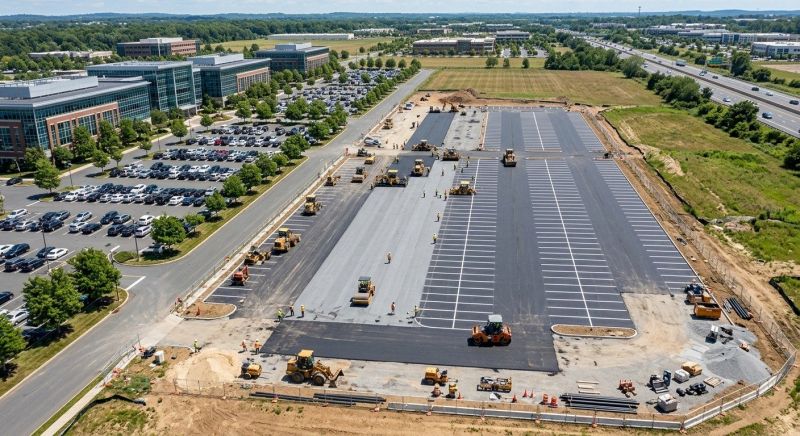
Airport paving services - involves installing new asphalt surfaces for airport runways and taxiways.
Runway resurfacing - restores smoothness and safety to existing airport pavements.
Taxiway paving - creates durable pathways for aircraft movement between runways and terminals.
Apron paving - provides stable, heavy-duty surfaces for aircraft parking and loading areas.
Pavement maintenance - includes crack filling and sealing to extend pavement lifespan.
Airport apron repairs - addresses surface damage to ensure safety and operational efficiency.
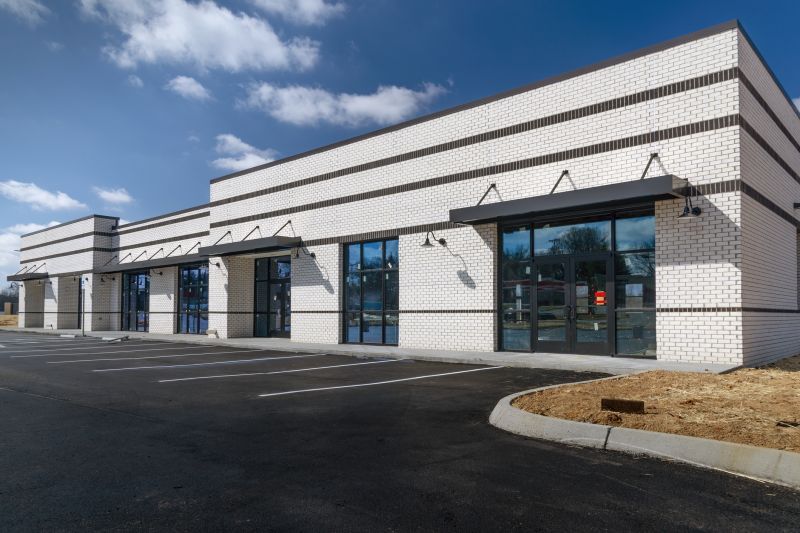
Airport Paving Questions
What types of surfaces can be paved for airport access? Paving services typically include asphalt and concrete surfaces suitable for runways, taxiways, and parking areas.
Are airport paving services suitable for large or small properties? Yes, these services can accommodate both large commercial airports and smaller private or municipal airstrips.
What should property owners consider before starting an airport paving project? It's important to assess the current condition of the surface, drainage needs, and future traffic requirements.
Can airport paving improve safety and accessibility? Proper paving enhances surface durability, reduces hazards, and ensures smooth access for aircraft and ground vehicles.
Request Airport Paving in Little Rock, AR
Use the quote form on this page to share the basics of your project and request more information for the type of work you need.